FebriDx USA
Why FebriDx
Bacterial or non-bacterial infection?
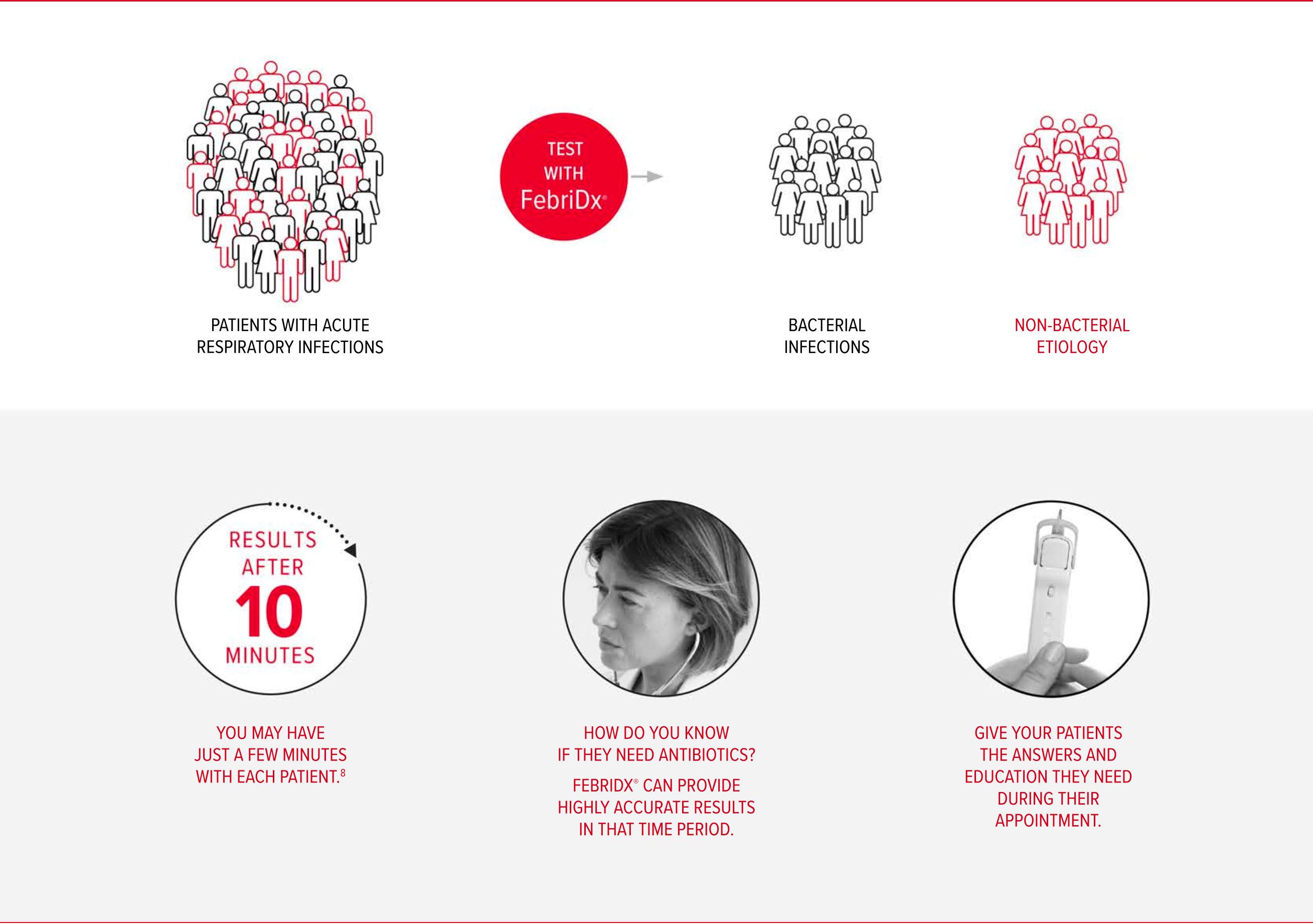
FebriDx aids in the differentiation between bacterial infection and non-bacterial etiology.
Acute respiratory infections, causing symptoms such as common cold, sore throat, cough, congestion and runny nose, are the most common reason for seeking medical advice and antibiotic prescriptions.1-3 Differentiating between bacterial infection and non-bacterial etiology can be challenging due to an overlap in signs and symptoms of bacterial and non-bacterial infections.
The majority of acute respiratory infections are caused by viruses and do not require antibiotics, yet antibiotics are prescribed in up to 50% of cases.4 Antibiotic resistance continues to remain a major global health threat contributing to 2.8 million antibiotic-resistant illnesses and 35,000 deaths each year in the U.S.5
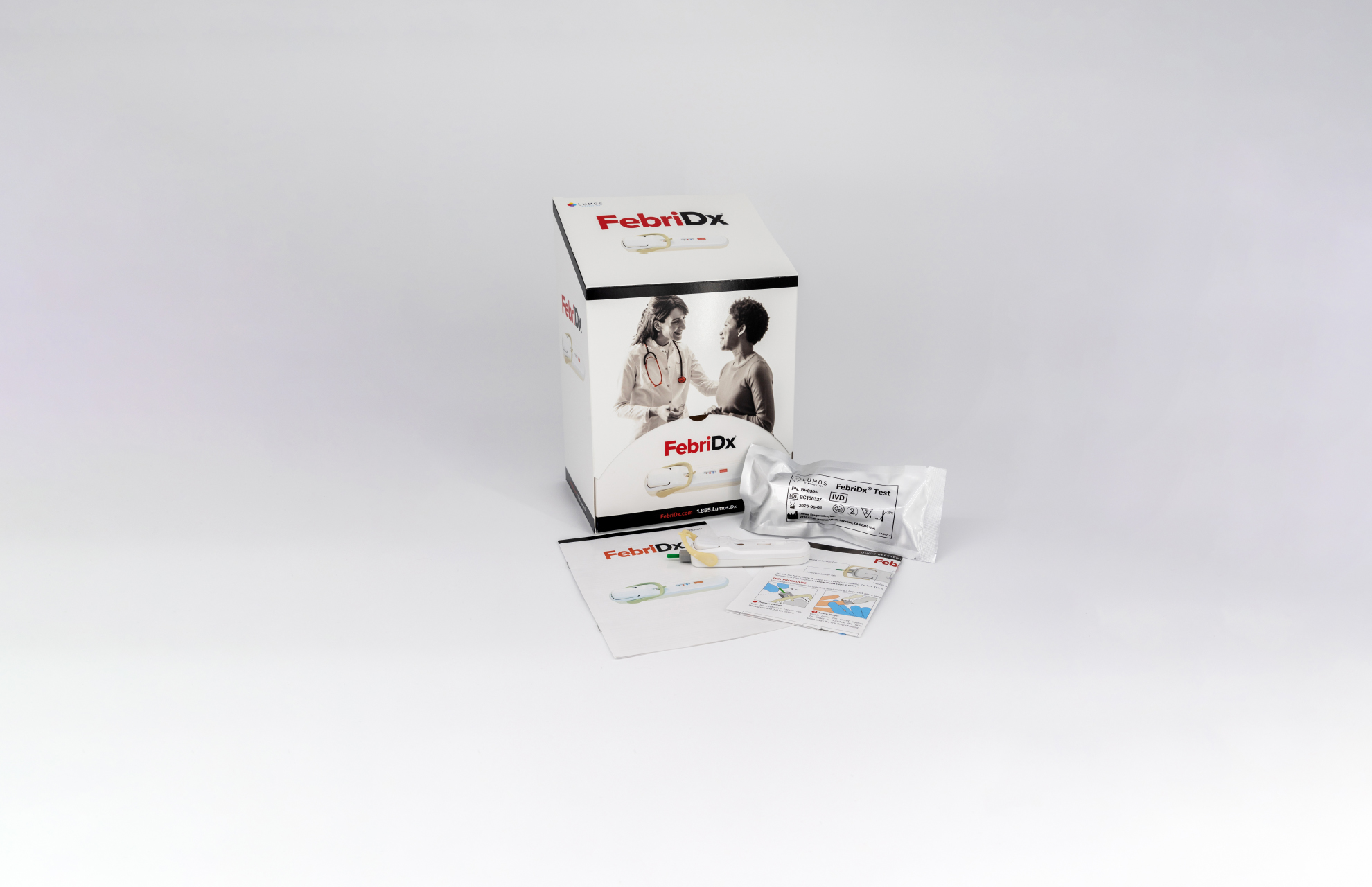
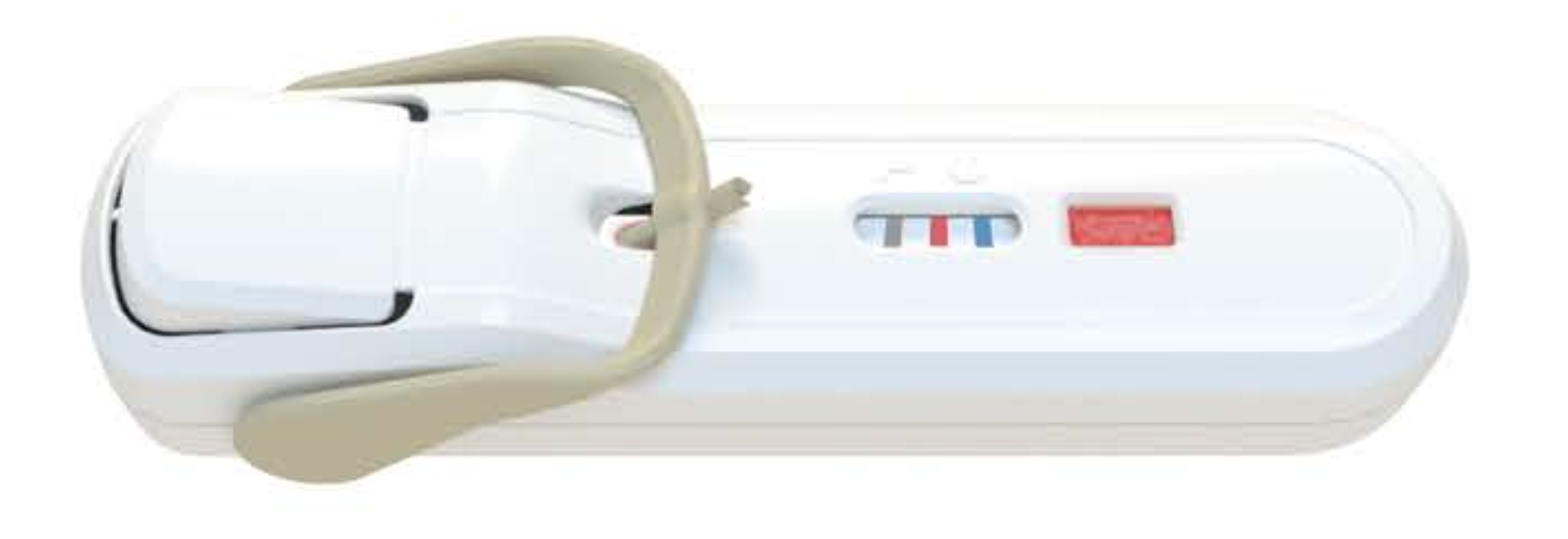
FebriDx point-of-care test device
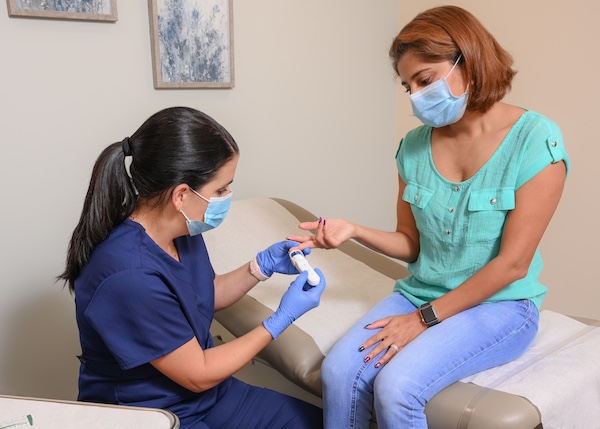
FebriDx is a rapid point-of-care test that uses a fingerstick blood sample to aid in the differentiation between bacterial infection and non-bacterial etiology. FebriDx® is intended to be used at sites operating with a CLIA Certificate of Waiver.
Knowing whether a patient has a bacterial infection has a direct impact on reducing unnecessary antibiotic prescriptions, limiting the spread of antibiotic-resistant bacteria, and helping providers know when to initiate treatment.
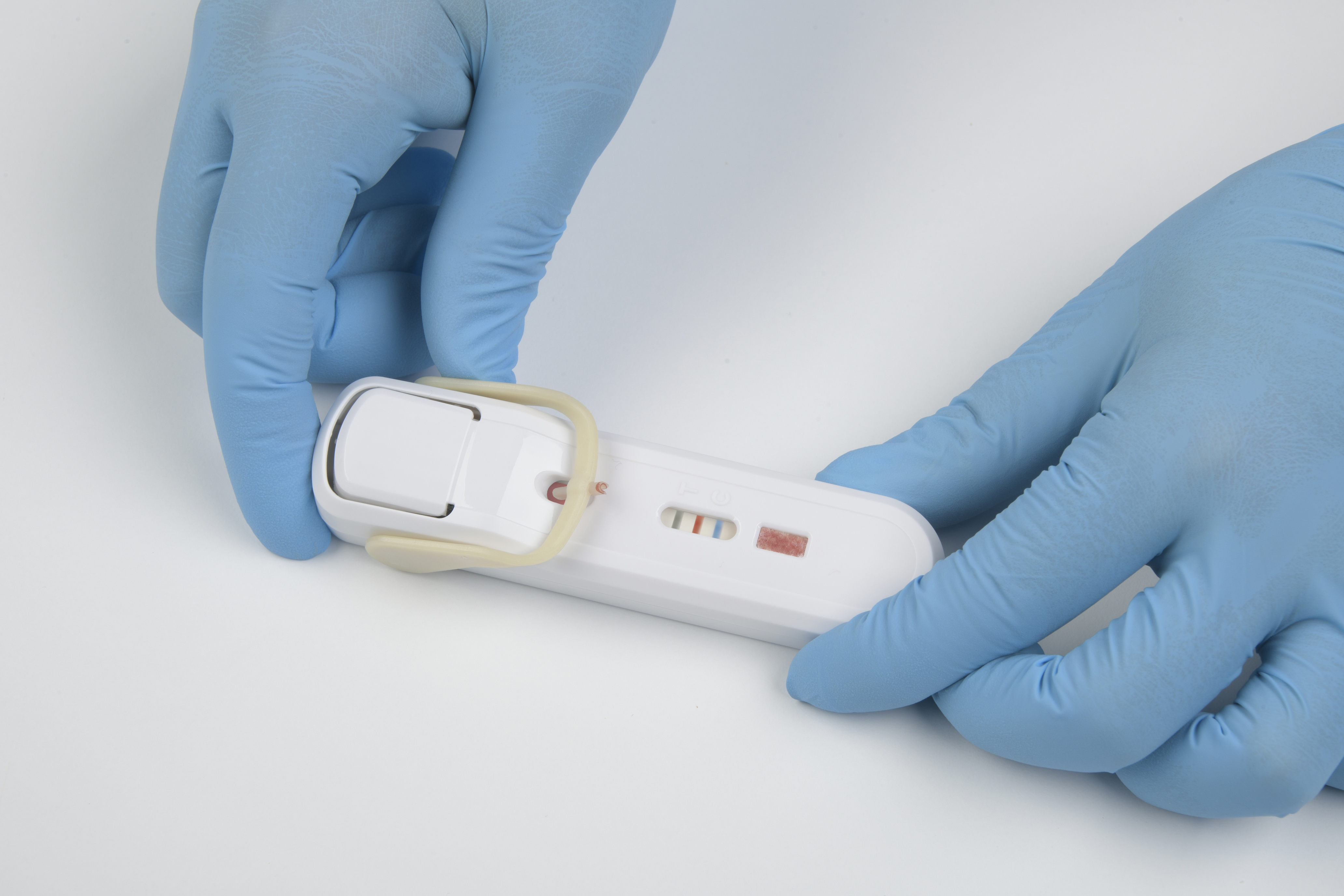
- Results after 10 minutes increases confidence in whether or not to prescribe an antibiotic.
- Highly sensitive/specific dual biomarker technology provides reliable differentiation of bacterial and non-bacterial infections.
- All-in-one, instrument-free test device means no expensive equipment and a fully portable solution.
Acute respiratory infections create challenges.
FebriDx provides solutions.
99% NPV for ruling out bacterial infection
Using FebriDx during a patient visit can reduce diagnostic uncertainty and help guide appropriate patient management and reduce inappropriate antibiotics. Results are available after 10 minutes, allowing the clinician to provide a timely and targeted treatment plan during the initial visit.
-
Increase confidence in decision making
Confidently rule out a bacterial infection with 99% negative predictive value (NPV)6,7
-
Ensure bacterial infections are not overlooked
Increased confidence in patient diagnosis
-
Improve patient satisfaction
Support patient understanding of treatment plan with a tangible test result
-
Enable improved patient management
Actionable results after 10 minutes for use during a patient visit
-
Support antimicrobial stewardship
Reduce unnecessary antibiotic use6-8
- Harris AM, Hicks LA, Qaseem A. Appropriate antibiotic use for acute respiratory tract infection in adults: advice for high-value care from the American College of Physicians and the Centers for Disease Control and Prevention. Ann Intern Med. 2016;164(6):425-434.
- Centers for Disease Control and Prevention (CDC). National Ambulatory Medical Care Survey. National Center for Health Statistics. Updated December 30, 2021. Accessed Jan, 2024, https://www.cdc.gov/nchs/ahcd/about_ahcd.htm
- Renati S, Linder JA. Necessity of office visits for acute respiratory infections in primary care. Fam Pract. 2016;33(3):312-317.
- Centers for Disease Control and Prevention (CDC). Measuring Outpatient Antibiotic Prescribing. Updated Oct 2022. Accessed Feb 2024, https://www.cdc.gov/antibiotic-use/data/outpatient-prescribing/index.html
- Centers for Disease Control and Prevention (CDC). Antibiotic Resistance Threats in the United States, 2019. U.S. Department of Health and Human Services. Updated Dec 2019. Accessed Jan 2024, https://www.cdc.gov/drugresistance/pdf/threats-report/2019-ar-threats-report-508.pdf
- Shapiro NI, Self WH, Rosen J, et al. A prospective, multi-centre US clinical trial to determine accuracy of FebriDx point-of-care testing for acute upper respiratory infections with and without a confirmed fever. Ann Med. Aug 2018;50(5):420-429. doi:10.1080/07853890.2018.1474002
- Shapiro NI, Filbin MR, Hou PC, et al. Diagnostic Accuracy of a Bacterial and Viral Biomarker Point-of-Care Test in the Outpatient Setting. JAMA Netw Open. Oct 3 2022;5(10):e2234588. doi:10.1001/jamanetworkopen.2022.34588
- Carlton HC, Savović J, Dawson S, Mitchelmore PJ, Elwenspoek MM. Novel point-of-care biomarker combination tests to differentiate acute bacterial from viral respiratory tract infections to guide antibiotic prescribing: A systematic review. Clinical Microbiology and Infection. 2021